Hot, Humid And Horrid

It’s been a long horrible week of high heat and even higher humidity. This week doesn’t look any better. Getting even a minimal of garden chores done is quite a challenge for me as I wilt like a petunia in such circumstances. Add the explosion of ravenous biting bugs and I’m ready to throw in the trowel.

As if that’s not enough, the dreaded Spotted Lantern Flies have made their presence known. I’d been hoping the harsh winter would’ve destroyed the lot of them but alas, that was wishful thinking. I guess the winter did not stay that cold long enough. Ugh.

More than complain of which I’m doing plenty, I’m deeply, deeply concerned about how we can cope with the volatility of the changing climate. Plants are certainly more resilient than we are but they too need time to adapt to change – they must be experiencing horticultural whiplash with all the extreme fluctuations they’re being subjected to. Likewise the fauna that has co-evolved with the plants. Add human disturbance (and destruction) to this situation and we have a genuine crisis on our hands. I exaggerate not. The data and evidence prove it.

Trying to determine the long term approaches to gardening in a changing climate is tough – are we looking at conditions of drought or excess rain? Our Hardiness Zones are shifting significantly so many of the plants we acknowledge as specifically native to our zones are not going to remain as such. Do we make our own predictions and act accordingly or do we simply wait and see? If the latter, for how long do we wait and what and how should we garden in the interim? How do we help both flora and fauna?

There are far more questions than answers at this time. Scientists and experts in climate/environment/plant/animal/horticulture/geology/meteorology/agriculture/hydrology/health and every related subject are working to understand and figure out how to cope and resolve this urgent problem. BUT there is currently a severe paucity in both funding and manpower to properly address it. Enough said. IYKYK.

Meanwhile, what can each member of the gardening community do right now? How can we cope?

To start, lets recognize that we are a sizable part of the population. We can make a difference. First and foremost, every single of us must be seriously worried about what is obviously happening and we can get loud in expressing our concern to friends, family, neighbors, community, coworkers and any and everyone who will listen. Elect and support leaders at every level (town, city, state and national) who will do what it takes to save and protect all our natural resources. We cannot, must not hesitate to make good trouble. Too much is at stake.

In managing our own gardens, lets go as local as possible. Populate your garden with native plants. They are most resilient and hardy and best equipped to survive the climate changes happening right now. Choose them to be the main residents of every garden. There are several non-natives, first introduced a long time ago, that have naturalized very well in the landscape, serving pollinators admirably. So much so, many people would be surprised to learn they are not indigenous plants. They too can be included in the garden but in smaller numbers.

Purchase plants grown locally. I realize that small, family owned farms and nurseries with a good selection of plants are few and far between these days but they do exist so find them and give them your business. Our support is the only way to ensure their continued existence.

If you really do not have a source of locally bred plants, widen your search to neighboring counties. Finally, go online and identify small growers of native plants who will direct ship to customers. There are many of them and I’ve only had experiences with them.

Avoid the big sellers who obtain their plants indiscriminately from anywhere and everywhere.

Instead of pointlessly, painstakingly pursuing perfect, pristine lawns, and overly neat borders, liberate yourself by bringing shabby chic style to said lawns and borders instead. No more mono-cultured lawns or tightly controlled plant beds. Let plants express themselves which by no means precludes trimming or staking. Just let them spill out a little, gently lean or weave into a neighbor. Shrink lawns down drastically. They are costly to maintain – demanding time, money, water, energy and often toxic products to be perfect. Plant native trees and shrubs instead. They will nurture more beneficial insects and other wildlife than one can imagine. With what lawn remains, let in other ‘greens’ like common blue violets, lance selfheal (Prunella vulgaris ssp lanceolata). Even yellow woodsorrel.

Mulch with tree bark nuggets and native groundcover plants to suppress/inhibit weeds as well as retain moisture so the soil doesn’t dry out quickly. I typically place layers of newspaper or cardboard around the various plants first and then top off with smallish nuggets of tree bark.

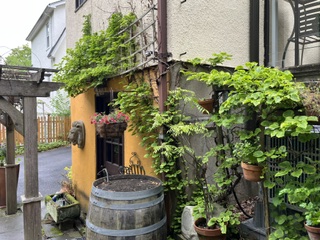
Seriously consider installing rain barrels. As we face increasingly long spells of drought interspersed with rainstorms that dump large quantities of water in quick bursts resulting in mostly run off and very little being absorbed into the ground, collecting rainwater makes perfect sense.

It goes without saying but I’ll say it anyway – use only organic products for feeding plants, preventing and/or combating pests.

Do away with gas powered appliances – mowers, blowers and such. Perfectly effective electric or battery powered ones are available.

If we continue to have the level of humidity we’ve had lately, allowing plenty of space between plants for good airflow is going to be imperative. Otherwise, mold and fungal growth will surge and threaten the health of all the plants. I’m already planning to ruthlessly thin out some areas as soon as the heat lets up this weekend. Being proactive is easier than damage control.

All of this might sound like a lot but in reality, it will actually be easier to implement. The hardest part is to get rid of old mindsets and adopt the current recommendations. We know better so lets do better. Together.

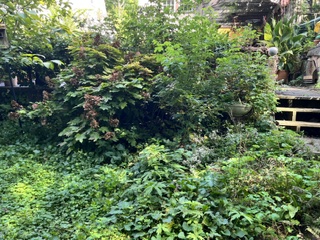
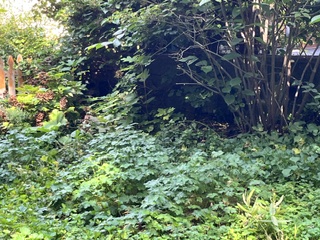
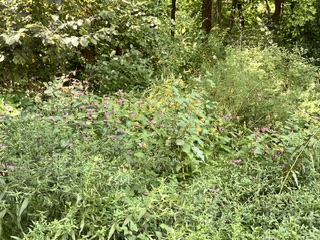
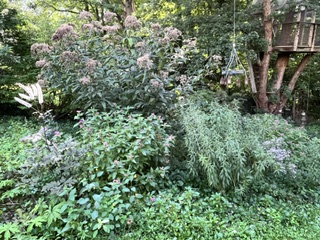
NOTE: I’m not sharing any photos this week. Instead, I humbly ask you to spend a few minutes imagining what a world lacking in the familiar beauty and joy of our gardens, parks, woodlands and meadows would look like. How does that make you feel?

I thought so. Lets not let that happen. Please.

Ah August!

We still have a good bit of summer to enjoy. And enjoy we must. Weather and other happenings are proving rather challenging so its all the more imperative that we find the glimmers to keep our spirits up and our hearts full of joy. To that end, time in nature (gardens, parks, woods, lakes, seaside) fulfills admirably. So get outside and get busy. Tend to the garden, take walks, play in the park, swim, kayak, simply sit and breathe the fresh air. Lets fully savor summer.

Speaking of tending to the garden, here;s this month’s To-Do list.

What To-Do In August –

1. Harvest the vegetable patch regularly. If you’re overwhelmed with the bounty, offer them to food kitchens, friends and neighbors. Also, consider canning vegetables and fruit. They are mighty handy to have on those days in winter when you crave summer fare. Not to mention the crazy times when cooking is simply not possible.

Note: I’ve been pickling veggies this year. Makes for tasty hors d’oeuvres, picnic fare, accompaniments to burgers and grilled fish and chicken. So easy to do!

2. Keep weeding. Even though it is hot, hot, hot, weeds continue to thrive. Early hours of the morning are most enjoyable – cooler and fewer biting bugs.

3. Water as required.

4. Mow as usual. Again, do the right thing and keep blades at 3 1/2 to 4 inches high.

5. Continue to deadhead and trim back. This keeps the garden tidy. Seeds that you wish to harvest can be left on the plants till they are ripe and ready to save.

6. Take cuttings of plants for rooting. Doing it now will provide enough time for growth before planting in the fall or bringing indoors in winter.

7. If you’re going away, arrange to have someone water the garden, harvest vegetables and keep an eye on things.

8. Prune wisteria and anything that is overgrown.

9. Watch for pests and/or disease. Use organic treatments when needed.

10. Keep birdbaths filled with fresh water.

11. With the garden at its peak right now, any gaps in the plantings can be readily noted and duly filled. Note: Nurseries often have summer sales at this time in order to make space for fall-planting shipments.

12. Spend as much time as possible in the garden – autumn approaches! Eat, read, snooze, throw parties, paint, write, meditate, pay bills, enjoy the garden.

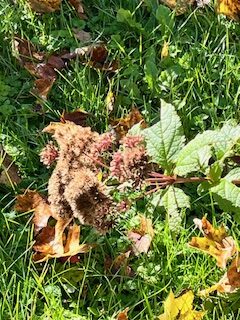
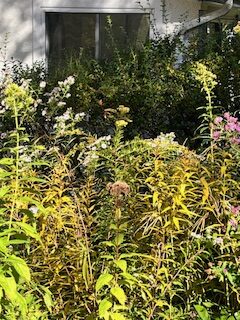
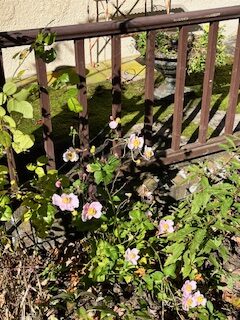
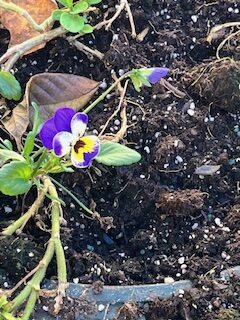
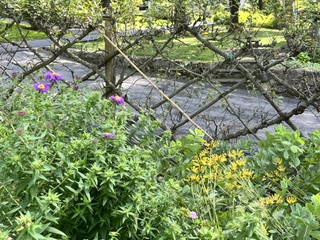
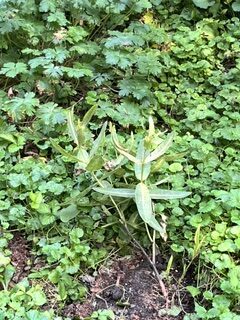
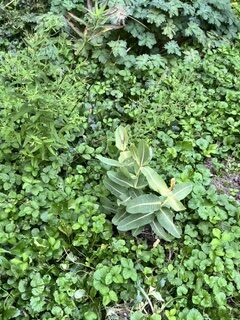
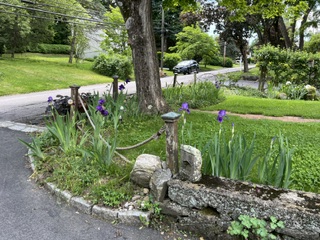
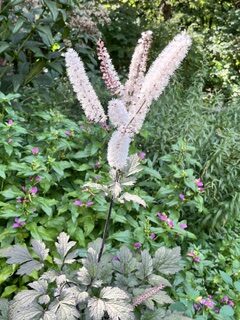
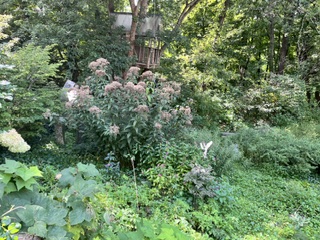
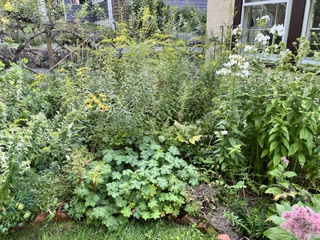
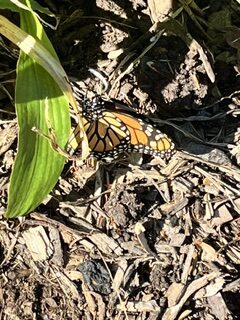
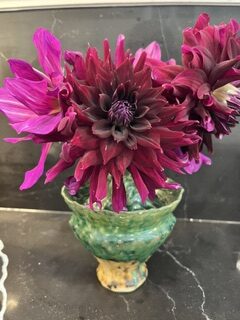
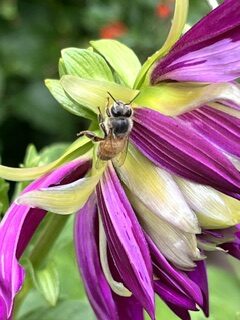
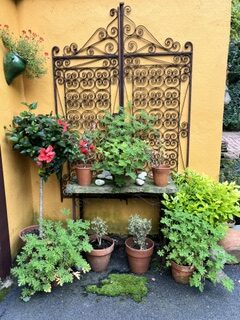
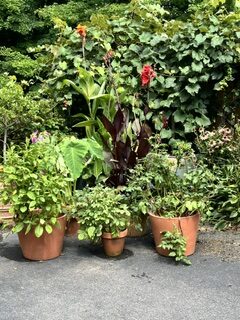
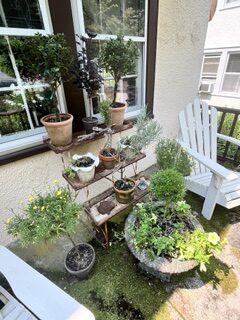
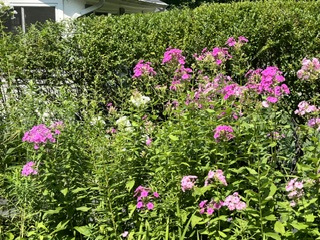
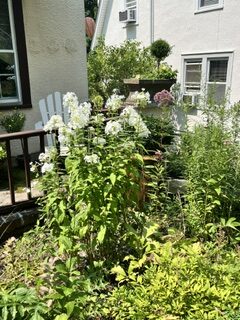
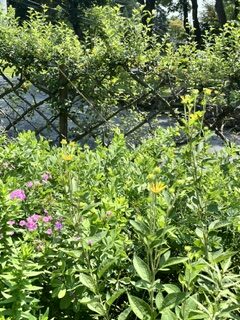
In My Garden Right Now –

(c) 2026 Shobha Vanchiswar

[do_widget “Blog Subscriptions (Jetpack)”]
Summer Days

After that horrendous heatwave earlier this month followed by the unhealthy impact of the wildfires in Canada plus last week’s deluge, we’ve finally been given some fine summer weather. I’m taking full advantage of it by first, limiting garden chores to the strictly necessary ( weeding, watering pots as needed and keeping the hummingbird feeders clean and full) and secondly, prioritizing summer pleasures like reading as many hours as I want to, indulging in frequent dips in the lake/pool/ocean, taking long walks in the early morning when its just me and the birds greeting the sun, catching up with friends I haven’t seen or spoken to in a while, endlessly watching feathered friends in the garden and, eating ice-cream as often as possible. Guilt-free.

The slowing down of the pace of living feels to me like the ultimate luxury. It brings about an awareness of ones surroundings that I can only describe as delicious. As though each of the senses is awakened anew simply by giving oneself the time and space to pay attention. I think that’s exactly why we have summer – an annual reset of mind, body and soul to live with intent and full out joy. Summer asks of us to live out loud and without reservation. To be fully present and engaged in the moment.

Much like the garden where the plants are growing with abandon, the birds and insects plundering the spoils of the season, I am throwing caution to the wind and embracing this summer on my own terms.

Savoring it slowly and gratefully.

My summer so far –

(c) 2026 Shobha Vanchiswar

[do_widget “Blog Subscriptions (Jetpack)”]
Gardening Hearts Beat Alike

Unsurprisingly, everywhere I go, I look for signs of gardening well beyond the obvious public gardens. Without exception, how and what people do in new-to-me places and countries tells me how we are more alike than unalike. Our cultures, languages, foods and histories might be vastly different but when it comes to how we connect to the natural world, we are the same. The gardens we make are both unique and universal at the same time.

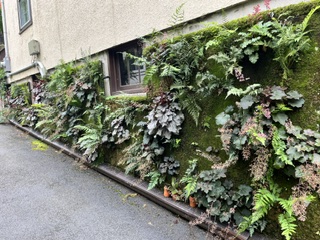
I particularly appreciate the seemingly small but hugely endearing efforts at ‘greening’ up whatever space one has. Human beings need nature and so we seek to fulfill that necessity by nurturing plants wherever we find ourselves. There is something deeply sacred about this connection.

During my recent travels, by sheer chance I came upon a street garden in Marseilles, France that neighbors made during the months of Covid lockdown. I got to meet the man who started this project – he was watering some pots when I wandered into this verdant street and I struck up a conversation with him. Who knew this was his brain child! Damien Berthier explained that all he had wanted to do, in some small way, was give his neighbors something comforting and life affirming during those challenging weeks. The neighbors took it from there -each adding his/her touch to the mix. And it has kept going ever since. It is as eclectic and joyous a garden as any I’ve seen.

In both Tangier and Chefchaouen (the Blue City), Morocco I was seduced by so many ‘front gardens’ adorning the crowded facades of homes by way of free standing pots, window-boxes and walls displaying simple but effective plant selections. I couldn’t stop taking pictures!

Even the lavender and sunflower fields around towns in Provence, France lend a pastoral beauty that commuters, walkers and holidaymakers could enjoy. I was fortunate to watch a farmer harvesting lavender, the fragrance of which permeated the air around the vicinity for quite a while. Heavenly.

The man was simply going about his work but what a gift he was offering to his town in doing so.

Gardens bring people together. Gardeners make that happen.

Do enjoy this sampling of photos –

IFrom Morocco –

From France –

(c) 2026 Shobha Vanchiswar

[do_widget “Blog Subscriptions (Jetpack)”]
Homecoming

My eagerness in going away on vacation is book-ended by feelings of concern and frenzied days of putting house and garden to order. Before the great escape, I’m busy making sure the house is clean and tidy, refrigerator cleaned out, beds stripped and made anew, laundry done, folded and put away nicely, mail put on hold, bills/subscriptions dealt with etc., The list is long.

In the garden I harvest, weed, feed, trim, primp, prop up as well sternly lecture the plants on behaving properly in my absence. What? You don’t talk to your plants? Why ever not? They’re a captive audience!

Now, I do all these things because I really like returning to a home that is clean and welcoming and, a garden that hasn’t mutinied whilst their captain was on leave. I invariably return with some trepidation as I know the weeds will take the opportunity to multiply and spread with abandon. They sense when I’m going away and gleefully plot their proliferation. Nasty thugs.

Well, this time I worked extra hard ahead of my trip. I diligently weeded every day for the 2 weeks leading up, cut back the summer blooming plants by 1/3 their height, deadheaded meticulously, staked anything that could flop or keel over, set up a watering system with a moisture sensor so it wouldn’t turn on if it had rained and generally got the garden in as good a shape as I possibly could.

All that hard work definitely paid off. The plants all look good and healthy. There’s a riot of hot summer colors – red, orange and pink. And while the weeds did make merry, they did not overtake the garden by any measure. I returned this past Saturday and I’ve already got half the garden weeded, neatened up some plants with a few snips of the secateurs, re-positioned the pots I’d moved together so they could be watered by the single system and given said pots a healthy helping of compost. Things are looking fine even if I say so myself.

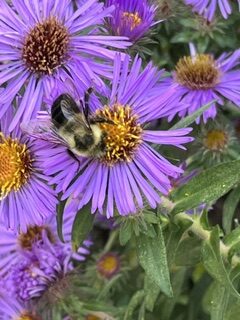
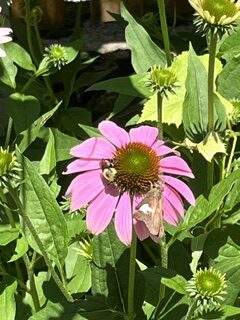
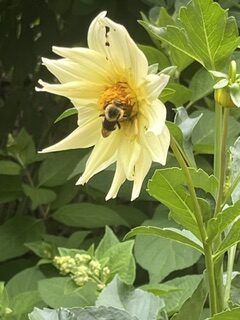
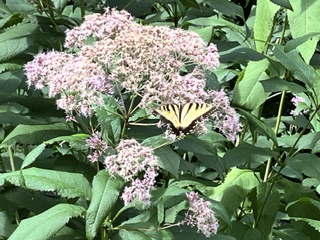
It’s gratifying to watch the hummingbirds descend upon the feeders in the early hours of the day. There have been many rabbit sightings as well – cute they may be but I’m staying vigilant on the diminutive marauders. Keeping track of the flight paths traced by the insect life as they go from one type of flower to another is fascinating – they hover and linger, visit practically every flower on one plant, move on to a different plant, then retrace their way back and eventually take off to see what’s doing elsewhere in the neighborhood. One swallowtail butterfly spent almost an hour on a particular stand of Echinacea and completely ignored the one just 2 feet away.

It’s impossible to be bored in nature.

It was a lovely vacation. And it’s been an equally lovely homecoming.

(c) 2026 Shobha Vanchiswar

[do_widget “Blog Subscriptions (Jetpack)”]
Work First, Then Play

I’m getting ready for a trip. It’s a much needed and anticipated break. Wouldn’t it be lovely if that meant packing a suitcase and traipsing out the door! No such luck. As we all know, packing is not the problem. It’s tying up of loose ends at work, taking care of domestic chores at home and then, the one I dread the most, getting the garden in good shape so it survives my absence without going hog wild.

Work stuff is mostly dealt with. Once trip dates are set, I work methodically so projects are either completed or brought to the point where they can be paused. Home chores are similar; the usual things like laundry, emptying and cleaning out the refrigerator, fresh sheets on the beds, scheduling house cleaning, holding mail etc., I like coming home to a house that is clean and tidy. Of course, if someone is staying behind, many of the tasks are unnecessary. It’s kinda nice!

But the garden without me is a whole different matter. It likes to go rogue. Never mind that a family member will be checking on it regarding how the garden is faring as well as the cleaning and refilling of the hummingbird feeders. I generally only ask for minimal oversight as it is really too much to expect someone else to work as I do. So my main focus right now is (obsessively) weed, cut back (‘the Chelsea Chop’!) summer blooming perennials by 1/3 so they don’t get leggy. I also give many of the plants in pots a good trim to keep them tidy. All of the pots are either left in place with a drip system for regular watering or corralled together where a sprinkler on a timer and moisture detector will water them as needed. Every one receives a nice feed of compost for heaven forbid they mutiny against the absconding gardener. It’s a lot of work just to get away but if I don’t do it, way too much damage control is required. And that’s really no fun at all.

With that said, I am on hiatus for the next 3 weeks. See below for July’s To-Do list. On my return, I shall give a full report on the State Of The Garden.

July To-Do

1. Weed, weed, weed! Remember, pouring boiling water over weeds growing between bricks and other stonework is an effective, organic way to kill them.

2. Deadhead often. Neatness matters.

3. Mulch, fertilize (organic only), water.

4. Mow regularly but keep the mower blade high.

5. Watch out for pests and/or disease. Use organic control in a timely manner.

6. Plant out vegetable seedlings for fall harvest.

7. Cut back summer blooming perennials by 1/3. They will fill out nicely and not grow too tall or leggy. Same for dahlias.

8. Keep birdbaths filled with fresh, clean water. Likewise, clean and refill hummingbirds feeders.

9. Order fall bulbs. Yes, it’s that time already! Don’t drag your feet on this as your favorite choices might get depleted.

10. Take time to watch dragonflies by day and fireflies by night.

In my garden right now –

(c) 2026 Shobha Vanchiswar

[do_widget “Blog Subscriptions (Jetpack)”]
Points Of View

My garden is a visual expression of my aesthetic sensibilities and deep commitment to sustainability, conservation and ecology. Creating a space that is beautiful, bountiful and life affirming is the underlying principle that keeps me motivated. Getting to know my garden is getting to know me.

Because it’s so personal, I tend to view my garden from only my singular perspective. Therefore, it’s always interesting, often eye opening to look at what I know intimately through another person’s eyes. I love such opportunities. So last week, I was in a heightened state of excitement when I once again welcomed a group of brilliant watercolor artists from New York City. This art workshop has become an annual tradition and several of those attending are my longtime fellow artist friends. Regardless of whether they are seeing the garden for the first or the umpteenth time, it always feels new to everyone – because a garden is never static. How the garden appears depends on the weather, the light, bloom time and of course, what has changed since the previous year(s).

Everyone starts out exploring the garden and I enjoy their observations, questions, pronouncements and proclamations. Most of them are non-gardeners, card carrying city slickers but all are terrific artists, each with their own unique style and experience. What they choose to paint and how they interpret it is mind-blowing to me. Knowing this garden of mine as well as I know myself, it is very hard for me to sit and paint it. Nevertheless I have done several paintings through the years but I’m hardly ever fully satisfied with my efforts. Besides, while I paint I’m constantly thinking my subject needs weeding/trimming/thinning/replacing etc., until I’m overwhelmed by my new to-do list. Not fun at all. Instead, I derive much vicarious pleasure from the viewpoints and efforts of others.

The photos I share below should give you an idea of the diversity of talent, style and distinctive impressions. Enjoy!

(c) 2026 Shobha Vanchiswar

[do_widget “Blog Subscriptions (Jetpack)”]
In Tune With June

June has arrived in style – gorgeous weather, festooned with flowers and full of celebratory spirit.

The hummingbirds are back, all sorts of bees buzzing about their business and was that a firefly that flashed by two nights ago? I cannot wait to see the butterflies return – keeping fingers crossed and fervently hoping they arrive in larger numbers and varieties than we have seen in recent years. Optimism is a principal requisite in a gardener.

Thus far I’ve managed to keep pace with the weeds. More or less. But its astonishing how quickly they crop up as soon as you look away. Pots are being watered and fed (organically) regularly. Deadheading consistently really helps to keep the garden looking smart.

Here is the to-do list for June

1. Weed, weed, weed! Do it regularly and you’ll be less inundated.

2. Continue deadheading flowers after they’re done blooming. Let those that you want to go to seed remain.

3. As many plants take off this month, keep the garden looking tidy by staking and tying back.

4. Water only as needed. As summer heat and humidity increases, too much watering will encourage the proliferation of fungal diseases.

5. Keep close vigil for pests and disease. Take prompt action. Use only safe, organic products.

6. Fertilize the vegetable beds and  plants in pots every two weeks or so. Comfrey tea, Epsom salts and compost are my go to fertilizers.

7. Mow lawns regularly but keep the blades at a height of 4 inches. The slightly longer grass will retain moisture better. Leave clippings in place to enrich the soil.

8. Prune back lilacs by one-third their height. Do the same for other spring blooming plants – once flowers are done of course.

9. Net soft fruits to keep away the birds.

10. With the threat of frost over, plant out tender plants.

11. Harvest vegetables regularly.

12. Each evening, make a point of sitting still in the garden and observing the fireflies do their silent dance. Smell the roses. Gather peonies to bring indoors. This, is why you garden.

Enjoy the images of what the garden is sporting right now –

(c) 2026 Shobha Vanchiswar

[do_widget “Blog Subscriptions (Jetpack)”]
May Be, May Be Not

The month of May has had an identity crisis. Some days it has been like May is supposed to be – very pleasant, Goldilocks kinda perfect weather and, other days it has blasted us with either high summer heat or early winter cold. Then, it’s given us bone dry days as well as soggy ones. What gives May?

I have continued with weeding and deadheading. Though I’m getting really tired of the bumper crops of garlic mustard and maple seedlings. They are sneaky and quite literally everywhere. In addition, the forget-me-nots and ajuga that have remained in the meadow all these years are now cropping up all over the garden where they have no business to be. I can’t keep up with them!

Meanwhile, in the animal kingdom, this is a year of armies of chipmunks and squirrels marauding the garden. The former live underground and their extensive burrows can cause a fair amount of destruction to the garden. Despite my fervent hopes of the benefit of a bitterly cold winter, the ticks are out in full force. They’ve appeared early and brought reinforcement. How is a gardener supposed to get on with her work of gardening I ask?

On the upside, the peonies, irises, columbines, foxgloves, geraniums, poppies, baptisia, (native )wisteria and comfrey have started blooming. The roses and late season alliums are nipping at their heals. May flowers galore!

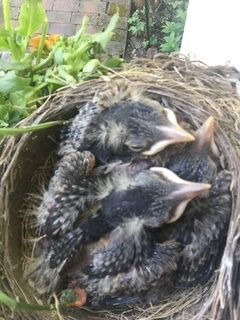
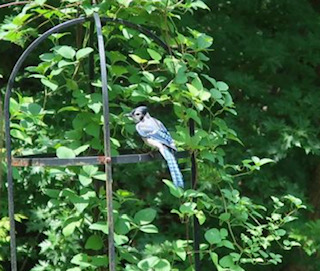
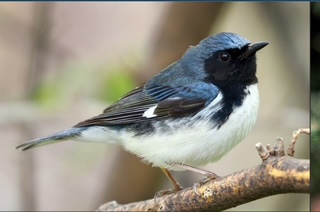
The birds have been busy too. Several have already raised their first clutch of babies. I’m not sure if the hummingbirds have returned as yet. In past years they have typically done so by early to mid-May but I haven’t observed any so far. I started putting out their feeders well in time. Cleaning and replenishing regularly. The reduction in the sugar water could be just from evaporation. I’ll remain on lockout. I sure hope they show up – it’s too painful to think otherwise.

That’s gardening isn’t it, full of trials and tribulations. Just like Life.

(c) 2026 Shobha Vanchiswar

[do_widget “Blog Subscriptions (Jetpack)”]
May Days

Final week to get the garden ready for its close-up on May 9th! We’ve been toiling hard to get all the Spring chores done in preparation for Open Day – its a bit of a marathon. The weather this past week has been just gorgeous which has made the garden work so much more pleasant. I’m exhausted at the end of each day but still in a good mood and that’s entirely from being outdoors in near perfect conditions. Hallelujah.

Clearly I’m ahead of most of you in completing the spring chores so guess who’s going to chillax all of next week?! Just in case you’re not clear on what you ought to be getting done, here you go ‘

What to do in May –

  1. Weed regularly if you want to keep the thugs in check.
  2. Put stakes in place so as plants grow it’ll be easy to secure them.
  3. Deadhead spent blooms for a neat look. Some plants will reward you with a second wave of blooms. Of course, if you want to collect seeds, do not deadhead.
  4. Water as necessary. Add a splash of compost tea to fertilize – about every 3 weeks.
  5. Plant in summer vegetables, summer bulbs and tubers, new perennials as well as annuals.
  6. Keep bird baths filled with clean water. Use mosquito ‘dunks’ to prevent mosquitoes from breeding. The same goes for garden fountains.
  7. Start mowing lawns but do the right thing by keeping the mower blade high at about four inches. Leave clippings in place to replenish the soil.
  8. Make sure all beds, shrubs and trees are mulched to retain moisture and keep weeds from proliferating.
  9. To take care of weeds in areas that are paved or bricked, pour boiling hot water over them. The weeds will be killed and no chemicals were used! I use the water used to pasta/eggs/vegetables whenever available.
  10. Stay vigilant for pests or disease. The earlier you catch a problem, the easier it is to treat them. Always employ organic methods.
  11. Stir the compost heap regularly. Keep adding in kitchen and garden waste.
  12. Take time every day to simply enjoy the garden.
  13. Visit mine and other gardens through the Garden Conservancy’s Open Days Program. You will be vastly instructed and inspired.

Enjoy the close-ups of the tulips having their moment –

(c) 2026 Shobha Vanchiswar

[do_widget “Blog Subscriptions (Jetpack)”]